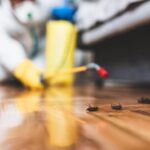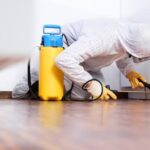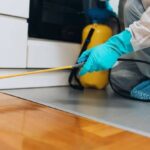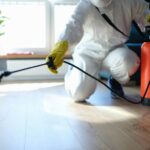
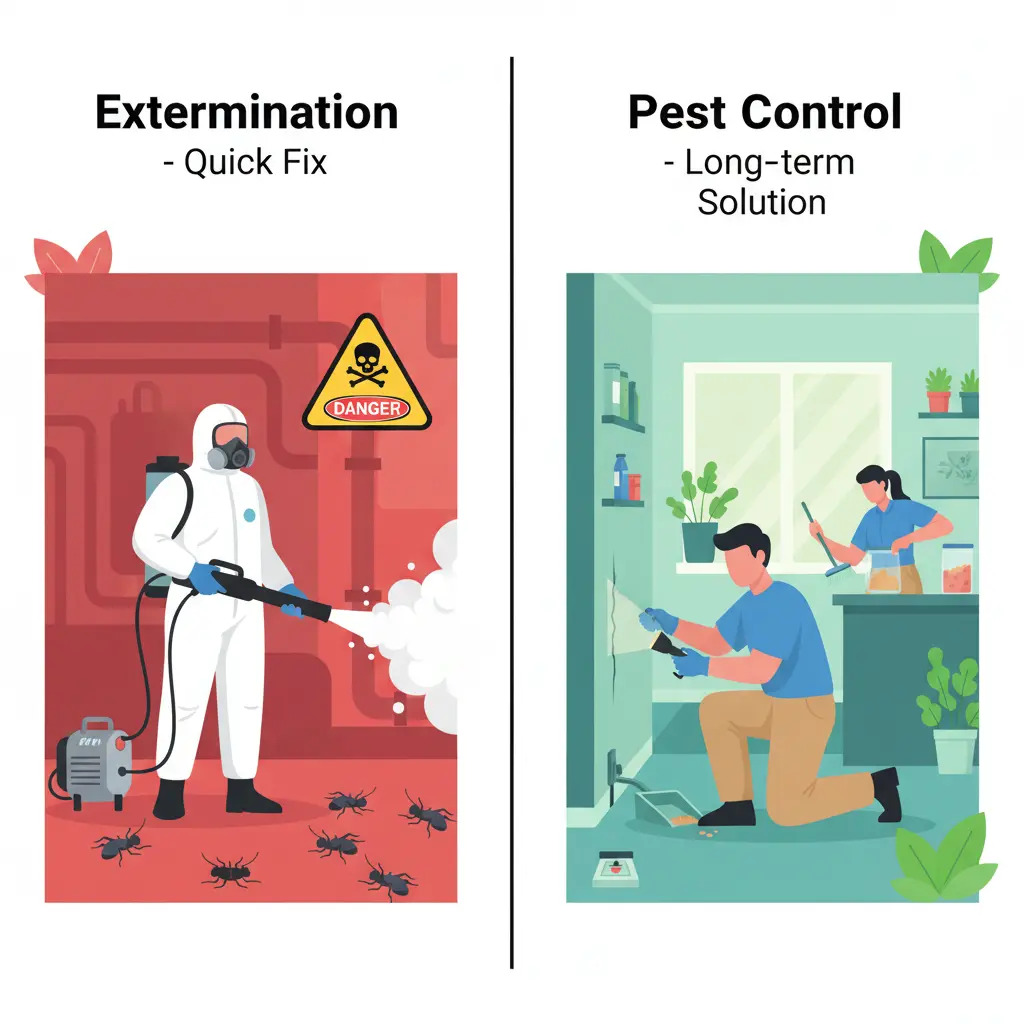
Dealing with pests in your home or business can be stressful and confusing. Many homeowners in Columbus are unsure whether they need pest control or extermination services. While these terms are often used interchangeably, they have distinct purposes and approaches. Understanding the difference can help you choose the right solution and ensure long-term protection for your property.
When it comes to maintaining a pest-free environment, Pest Control Columbus offers solutions that go beyond simply eliminating pests. While extermination focuses on removing an immediate infestation, pest control provides a long-term strategy to prevent pests from returning. Knowing which approach is appropriate for your situation can save time, money, and frustration.
What is Pest Extermination?
Pest extermination is a targeted, short-term solution aimed at eliminating pests that are already present in your home or business. The primary goal of extermination is to remove the visible infestation as quickly as possible. This often involves the use of chemical treatments, sprays, or traps designed to kill pests such as ants, termites, cockroaches, rodents, or bed bugs.
Extermination is typically reactive. You call an exterminator when you notice an infestation, and the treatment focuses on the pests you can see. It does not always address the underlying factors that caused the infestation, such as food sources, moisture, or structural vulnerabilities. Because of this, extermination alone may not prevent pests from returning in the future.
Some common features of extermination include:
- Immediate elimination of pests.
- Short-term treatment is usually completed in a single visit.
- Heavy reliance on chemical pesticides.
- Focus on visible pests rather than prevention.
Extermination can be highly effective for urgent situations where pests are causing immediate problems or damage. For example, if a homeowner discovers a termite colony that is damaging wooden structures, extermination may be necessary to stop further destruction. However, it is important to understand that extermination is only one part of a comprehensive pest management plan.
What is Pest Control?
Pest control is a broader, long-term approach to managing and preventing pest problems. Unlike extermination, pest control is proactive. It focuses not only on removing pests but also on identifying and addressing the conditions that attract them. This can include factors like food availability, standing water, gaps in walls or windows, and cluttered areas that provide shelter for pests.
Effective pest control combines several strategies to ensure long-term results:
- Regular inspections to identify potential infestations before they become severe.
- Monitoring pest activity to detect trends and patterns.
- Implementing integrated pest management (IPM) techniques that reduce reliance on chemicals.
- Making environmental adjustments to remove conditions that attract pests.
By addressing the root causes of infestations, pest control reduces the chances of pests returning. This approach is particularly useful for homeowners who want to protect their property from recurring problems such as termite damage, rodent infestations, or seasonal insect invasions.
Key Differences Between Pest Control and Extermination
Understanding the differences between pest control and extermination can help you make informed decisions for your home or business. The main differences can be summarised as follows:
Scope: Extermination is a single solution aimed at eliminating current pests. Pest control is a comprehensive strategy designed to manage and prevent future infestations.
Duration: Extermination is short-term and usually completed in one or a few visits. Pest control is ongoing and often involves routine inspections and treatments throughout the year.
Approach: Extermination is reactive, meaning it responds to a current problem. Pest control is proactive, aiming to prevent infestations before they occur.
Methods: Extermination relies heavily on pesticides to kill pests. Pest control uses a wider range of methods, including monitoring, traps, habitat modification, and less toxic solutions.
When to Choose Extermination
Extermination is ideal for urgent situations where pests are causing immediate harm or discomfort. Some scenarios include:
- A visible rodent problem in your attic or basement.
- A bed bug infestation in your bedroom.
- A swarm of ants or cockroaches in the kitchen.
- Termites are actively damaging wood in your home.
In these cases, quick action is necessary to stop the pests from spreading or causing damage. Extermination can eliminate the problem immediately, but follow-up pest control may be required to prevent recurrence.
When to Choose Pest Control
Pest control is the best choice for homeowners who want to prevent future infestations and maintain a healthy, pest-free environment. It is particularly useful for:
- Properties located in areas prone to seasonal pests.
- Homes with structural vulnerabilities that attract pests.
- Businesses that need to comply with health and safety regulations.
- Families looking for long-term protection without frequent chemical treatments.
Pest control provides a more sustainable approach, reducing the risk of repeated infestations and the need for emergency extermination services.
Benefits of Pest Control
Investing in pest control offers several advantages over relying solely on extermination:
- Long-Term Protection: Pest control addresses the root causes of infestations, helping prevent pests from returning.
- Health and Safety: Many pests carry diseases or trigger allergies. Pest control reduces exposure to harmful insects and rodents.
- Cost Savings: Preventing infestations can be less expensive than repeatedly calling exterminators for urgent treatments.
- Property Preservation: Regular pest control protects the structural integrity of your home by preventing termite damage and rodent problems.
- Eco-Friendly Solutions: Integrated pest management and other non-chemical methods minimise environmental impact.
Combining Extermination and Pest Control
In many cases, the best approach is to use both extermination and pest control together. Extermination can quickly eliminate an existing infestation, while ongoing pest control ensures the problem does not return. This combination provides immediate relief and long-term protection.
For example, if a home in Columbus is dealing with a rodent problem, an exterminator can remove the current rodents, while pest control specialists implement preventative measures such as sealing entry points, removing attractants, and monitoring for future activity.
Choosing the Right Service in Columbus
Selecting the right service depends on your specific needs. If you have an active infestation that needs immediate attention, extermination may be the first step. For ongoing protection and prevention, pest control is essential.
Working with a trusted provider, like Pest Control Columbus, ensures that you receive expert guidance, effective treatments, and a customised plan for your property. Professional pest control services assess the type of pests, the level of infestation, and the best methods for long-term management.
Conclusion
Pest extermination and pest control serve different purposes but are often complementary. Extermination provides a rapid solution to immediate infestations, while pest control focuses on long-term prevention and management. Understanding these differences allows homeowners and business owners in Columbus to make informed decisions and protect their properties effectively.
For lasting results, a proactive pest control plan that includes regular inspections, monitoring, and integrated strategies is the most effective way to maintain a pest-free environment. By combining the immediate benefits of extermination with the preventative strategies of pest control, you can enjoy a safe, healthy, and comfortable home all year round.
FAQs – Pest Control vs Extermination
- What is the difference between pest control and extermination?
Extermination is a short-term solution aimed at quickly eliminating visible pests, while pest control is a long-term strategy that focuses on preventing infestations and managing conditions that attract pests. - When should I choose extermination services?
Extermination is ideal for urgent situations, such as a visible rodent problem, a bed bug infestation, a swarm of ants or cockroaches, or active termite damage. - When should I choose pest control services?
Pest control is best for ongoing prevention, maintaining a pest-free home, and reducing the likelihood of recurring infestations. It is especially useful for seasonal pests, structural vulnerabilities, and long-term protection. - What methods are used in extermination?
Extermination primarily relies on chemical pesticides, sprays, traps, or fumigation to quickly eliminate pests in a targeted area.