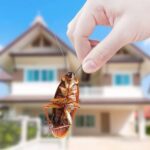
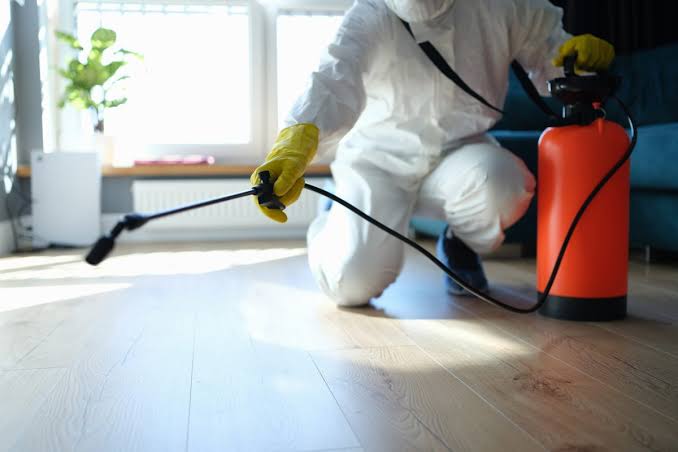
Pest invasions can happen throughout the year, posing significant challenges for residents of homes. Ants, cockroaches, rodents, spiders, and bedbugs are common pests that can invade properties via minute openings like crevices, holes, doors, windows, and even other spaces that exist in houses. It is vital to be aware of ways to prevent these creatures from entering your property to ensure that your living environment remains pest-free.
Importance of Preventing Pest Invasions
Taking measures towards pest prevention will assist you in preventing further complications due to infestations. Adopting simple practices like sealing food products, wiping out food stains, decluttering your home interiors, and ensuring there is no excessive presence of moisture within your house are all essential activities that contribute toward making your premises undesirable for these pests.
Inspect doors, windows, openings made by plumbing systems, and the foundation structure for identifying gaps or cracks that might prove to be potential points for insect invasion. Identifying and sealing off access points can assist in stopping insects and rodents from gaining entry into your property.
Finding professional services for local pest control near me can provide you with effective solutions to your pest concerns.
Columbus Home Pest Issues
Various pests present varying threats. For example, ants may invade kitchen areas and food storage places, whereas cockroaches seek dark and humid environments. Mice and rats can slip into homes via tiny gaps in walls and floors and pose structural damage risks or even contaminate food products.
Another hard-to-spot pest is the bed bug. The bed bug likes hiding within mattresses, bedding items, furniture pieces, and cracks in floors. Inspecting sleeping locations regularly, along with luggage and second-hand furnishings, will assist homeowners in recognizing any presence early on.
Hiring Columbus pest control professionals is advisable as they can conduct inspections to determine pest activity and give recommendations depending on the circumstances.
Pest Prevention Methods for the Homeowner
Here are some useful recommendations for reducing the risk of having pests in your home:
- Store food in tightly sealed packages
- Wipe crumbs and spills immediately
- Dispose of garbage frequently and use tight-fitting lids
- Fix leaky faucets and pipes to eliminate water sources
- Seal any gaps around doors and windows
- Maintain landscaping around the house and garden
- Remove unnecessary objects from storage rooms like the garage or basement
- Check new products or luggage before bringing them into the house
Following these tips will ensure efficient home pest control services and allow you to notice early signs of pest issues.
When Should You Contact the Professionals?
While occasional pest appearances are relatively harmless, regular pest sightings, droppings, nests, structural damage, or odd pest behaviour should be addressed by professionals. Certain types of pests tend to nestle in hard-to-reach areas where inspection may be problematic for homeowners.
Professional pest services can conduct thorough inspections to identify entry points used by pests. In addition, professionals can recommend treatment and prevention strategies based on the severity of the problem and the species involved.
Frequently Asked Questions
How do I stop pests from getting inside my house?
Store food items properly, manage moisture levels, dispose of waste effectively, manage landscaping, and repair cracks in walls and doors.
Should I contact pest control experts?
Seek professional advice if your prevention methods fail to resolve the issue, or if you observe droppings, nests, damage to property, or persistent pest sightings.
Will keeping things clean prevent pests?
Regular cleaning may help keep pests away by reducing available food resources. However, cleaning alone may not solve an ongoing infestation.
Which parts of the house should I check for pests?
Kitchens, bathrooms, basements, garages, storage areas, windowsills, doorways, foundation walls, and other locations with food, water, or shelter sources are common problem spots.