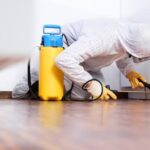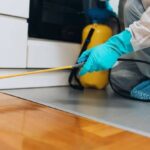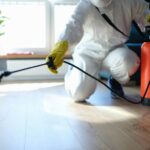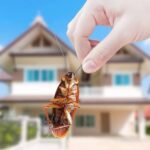
Pests are more than just a nuisance in your home. They can damage property, contaminate food, and even carry harmful diseases. Homeowners in Columbus understand how quickly a small pest problem can turn into a costly and stressful situation. That is why preventive pest control is one of the smartest strategies for protecting your home.
Preventive pest control with Pest Control Columbus focuses on stopping pests before they become a problem. Instead of reacting to infestations after they occur, this approach creates a pest-free environment through a combination of daily practices and professional solutions. By addressing potential entry points, removing attractants, and performing regular inspections, homeowners can greatly reduce the risk of infestations and maintain a safer, cleaner home.
Why Preventive Pest Control Matters
Many pests, such as ants, cockroaches, rodents, and termites, can cause significant damage if left unchecked. Termites, for example, can silently destroy wood structures, while rodents can chew through wiring and insulation. Cockroaches and ants contaminate food and spread bacteria. By implementing preventive measures, homeowners can avoid costly repairs, minimize health risks, and enjoy greater peace of mind.
Preventive pest control is not just about responding to visible pests. It involves proactively creating an environment that is unattractive to them. This reduces the likelihood of infestations and keeps your home protected year-round.
Home-Based Preventive Measures
There are several steps homeowners can take to prevent pests from entering and thriving in their homes. These simple actions are often the first line of defense against infestations.
1. Reduce Food Sources
Pests are attracted to easily accessible food. Storing food in sealed containers, cleaning up crumbs and spills immediately, and regularly emptying trash cans with tight-fitting lids can make your home less appealing to them. Avoid leaving pet food out overnight and keep pantry areas organized and clean.
2. Eliminate Water Sources
Many pests need water to survive. Fix leaky faucets and pipes, empty plant trays regularly, and drain standing water from containers or puddles around your home. Reducing moisture in basements, attics, and bathrooms can make it harder for pests to thrive.
3. Seal Entry Points
Pests can enter homes through even the smallest cracks or gaps. Inspect your foundation, walls, doors, windows, and utility lines for openings and seal them with caulk or weather-stripping. This prevents pests like rodents, ants, and spiders from gaining access to your home.
4. Maintain Landscaping
Vegetation can provide bridges and hiding spots for pests. Keep trees, bushes, and shrubs trimmed back from the exterior walls of your home. Avoid letting leaves or branches touch your roofline or siding. Well-maintained landscaping reduces shelter for pests and discourages them from coming close to your home.
5. Perform Regular Inspections
Routine inspections are key to early detection. Check common areas like basements, attics, garages, and rooflines for signs of water damage or pest activity. Catching a problem early can save time, money, and effort while preventing minor issues from becoming major infestations.
Professional and Advanced Methods
While home-based practices are essential, professional pest control services provide an extra layer of protection. Experts have the experience, tools, and techniques to prevent infestations effectively.
1. Scheduled Maintenance
Professional services often offer scheduled inspections and treatments. Regular maintenance ensures that any potential problem is identified early. It also establishes a protective barrier around your property to keep pests out.
2. Pest-Resistant Features
Some pest control strategies involve installing pest-resistant materials or modifying landscaping to reduce pest access. For example, certain construction materials and landscaping layouts can make homes less inviting to termites, ants, and rodents.
3. Pest-Repellent Plants
Certain plants naturally repel pests. Incorporating these into your landscaping can make your property less attractive to unwanted visitors. Examples include lavender, marigolds, and mint, which can deter mosquitoes, ants, and other pests.
4. Targeted Pesticide Applications
In some cases, professional services may use carefully applied pesticides around the exterior and entry points of your home. These targeted applications focus on problem areas rather than treating the entire property, reducing chemical exposure and environmental impact.
5. Integrated Pest Management (IPM)
IPM is a sustainable approach that combines multiple strategies for effective pest control. It includes environmental controls, cultural practices, monitoring, and the judicious use of pesticides. This method is designed to manage pests long-term without harming the environment or your family.
Benefits of Preventive Pest Control
Investing in preventive pest control offers several advantages for homeowners:
- Cost Savings – Preventing infestations reduces the likelihood of expensive repairs and repeated treatments.
- Peace of Mind – Knowing your home is protected from pests provides comfort and reduces stress.
- Health Protection – Preventing pests helps minimize the spread of disease and allergens.
- Eco-Friendly Approach – Targeted and preventive methods reduce chemical use and environmental impact.
- Property Value Protection – Keeping pests away preserves the integrity of your home and landscaping.
Preventive pest control is a long-term investment that not only protects your home but also supports a cleaner, healthier, and more sustainable living environment.
FAQs About Preventive Pest Control
- How often should I schedule preventive pest control services?
For most homes in Columbus, quarterly visits are ideal. Homes with prior infestations or high-risk areas may require more frequent visits. Regular inspections and treatments help catch issues early. - Can I rely solely on home-based preventive measures?
Home practices help reduce risk but may not be enough to fully protect your home. Professional inspections and treatments provide additional security and long-term pest management. - Are preventive pest control methods safe for children and pets?
Yes, most preventive approaches, including targeted treatments and environmental controls, are safe for families and pets. Professionals focus on minimizing chemical use while still being effective. - What is Integrated Pest Management?
Integrated Pest Management is a strategy that combines multiple methods, such as environmental controls, cultural practices, and limited pesticide use. It is effective, sustainable, and eco-friendly. - How can I tell if preventive measures are working?
Regular inspections, clean environments, and monitoring for pest signs indicate effectiveness. Fewer sightings, reduced damage, and healthy landscaping are all signs your preventive plan is successful.
Conclusion
Preventive pest control is the most effective way to protect your Columbus home from pests. By combining home-based strategies with professional services, homeowners can reduce the risk of infestations, protect their property, and enjoy peace of mind.
From sealing entry points and maintaining clean environments to scheduled professional inspections and Integrated Pest Management, preventive measures provide long-lasting results. Not only do they save money, but they also create a safer and healthier home for you and your family.
At Pest Control Columbus, we specialize in helping homeowners implement smart, effective preventive pest control strategies. Whether you want to reduce the risk of future infestations or maintain a pest-free home year-round, our experts are here to provide reliable and sustainable solutions.
Invest in preventive pest control today and keep your Columbus home safe, clean, and pest-free for years to come.