Most people believe that a clean house is a pest-free house. While frequent cleaning may minimize food sources and clear out the clutter, it does not necessarily mean that insects and rodents will keep their distance. Pests are always looking for shelter, water, and safe breeding grounds, and there is nothing that stops them from entering even the cleanest houses.
From minuscule foundation cracks to leaking pipes, many factors can lure pests inside the house. Knowing how pests get inside clean houses can be helpful when trying to take prevention measures or call for professional Pest Control Columbus assistance.
Pests Need Something Other Than Food
While crumbs and a mess-filled garbage bin can lure pests inside, that is only one of the many factors. Pests may be attracted by such features as water, heat, or a protected place to breed.
Pests usually intrude for the following reasons:
- Water source in the form of leaking pipes or basements
- Cracks in the foundation, around the doors and windows
- Warmer temperatures in colder months
- Dense landscaping near the house
- Access through vents or damaged screens
Even the most spotless house can be suitable for pests in many ways.
Weather Drives Pests Inside
Weather is one of the most important factors influencing pests. Flooded nests due to heavy rains push ants and spiders inside the houses. During wintertime, rodents try to find warm places to nest, whereas in the hot summer, many insects move indoors looking for water sources.
Learning how pests choose between indoor and outdoor nesting sites can help homeowners understand why infestations often occur even when a property is clean. Pests naturally move to locations that offer stable temperatures, protection from predators, and easy access to moisture and food.
Small Cracks and Holes Let Insects Inside
Insects and rodents require very small holes or cracks to get inside a building.
Possible entry points are:
- Foundational cracks
- Holes left by utility lines
- Weather-stripping worn-out
- Garage doors
- Roof venting
- Chimneys
- Window frames
For example, mice can crawl into a place that is less than one inch in size, while insects can get into holes which are much smaller.
Water Is Another Great Attraction
Pest management through cleanliness will not get rid of the water problem. Water is an important part of the lives of any pest species.
Pests are normally attracted to the following places:
- Kitchen
- Bathroom
- Laundry
- Basement
- Crawlspace
- Areas under sinks
Dripping pipes, bad drainage, blocked gutters, and condensation create the perfect habitat for termites, cockroaches, silverfish, and other pests.
Some Rooms Naturally Attract More Pests
All rooms have different levels of pest attraction depending on the water, food availability, and shelter present there.
Knowing why certain rooms in your home attract more pests than others be very helpful in pest management. The kitchen is usually full of food and water sources for ants and cockroaches, while basements and crawlspaces are dark and humid, thus attracting spiders, rodents, and silverfish. Bathrooms are usually associated with moisture-related pest problems; garages can become great nesting areas because of their silence.
Landscaping Can Make Your House More Vulnerable to Pests
Your yard contributes greatly to pest prevention.
To keep your yard safe from pests:
- Trim shrubs away from exterior walls.
- Keep tree branches away from your roof.
- Don’t store firewood near the foundation.
- Eliminate sources of standing water.
- Clean your yard of leaves and other debris.
- Don’t put mulch next to the house.
Proper landscaping will help minimize the number of pests trying to come inside.
Pests Can Come Inside by Their Own Means
Sometimes pests can enter the house even without prior outdoor invasion.
They can get inside via:
- Grocery bags
- Cardboard boxes
- Packages delivered online
- Used furniture
- Luggage after traveling
- Secondhand appliances
Bed bugs, cockroaches, and some ants are often brought into the house in such a manner, despite being impeccably clean.
Nearby Infestations Can Infect Nearby Properties
When neighboring houses suffer from pest infestations, other nearby houses can get affected too.
It happens often in the case of:
- Apartments
- Duplexes
- Townhomes
- Condos
- Residential neighborhoods close to each other
Rodents and insects can move around buildings easily.
Prevention is the Best Approach
Avoiding the threat of infestations is not just about keeping the home clean.
Some useful prevention strategies include:
- Cover any openings on the home’s exterior surface.
- Fix any plumbing problems instantly.
- Keep all foods stored in airtight packaging.
- Dispose of trash frequently.
- Maintain clean gutters and downspouts.
- Eliminate any standing water.
- Check your home’s interior and exterior regularly.
- Conduct periodic inspections for pests.
Implementing these measures, along with routine maintenance, helps create a less hospitable habitat for pests.
When You Need the Experts
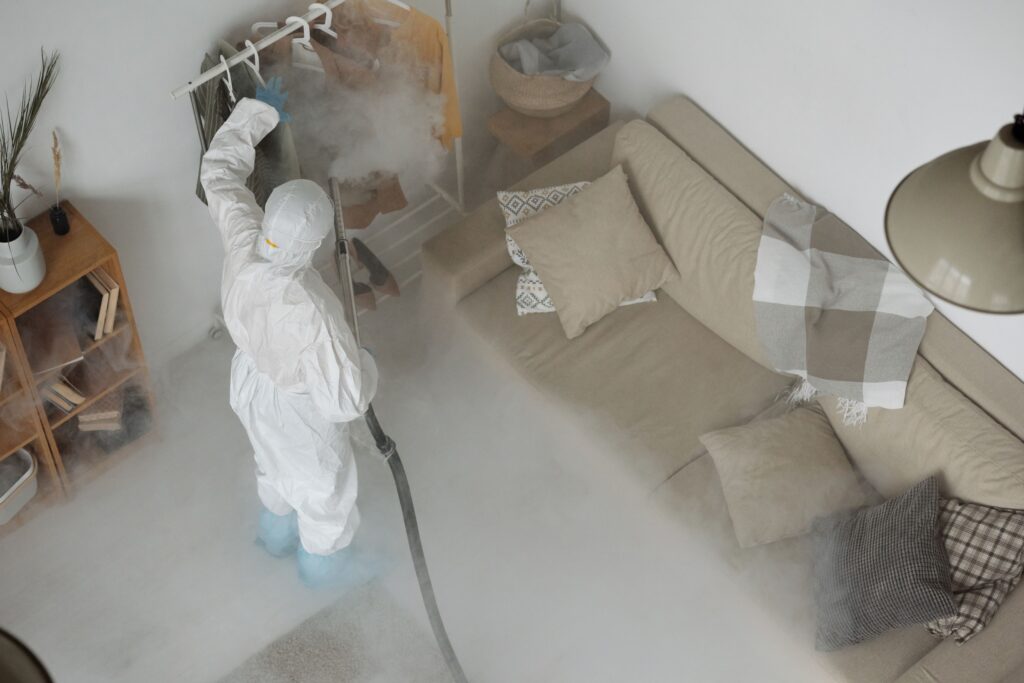
If you continue experiencing pests even after thorough cleaning, there is a chance that they are concealed behind walls, under floors, or beyond the foundation of the house.
Pest Control Columbus OH experts have the experience to find ways in which pests have entered the building, as well as where they have made their nests.
Conclusion
Maintaining a clean house is a great way to prevent pests from entering, but in some cases, it might not be enough. There are other factors like moisture, weather, structure, landscaping, and infestations that can cause pest behavior. In order to know how pests select their nesting places and what rooms attract them most, homeowners should use their knowledge.
Homeowners should make inspections on a regular basis and have help from reliable columbus pest control experts in order to keep their homes safe from pests.