Roaches are one of the most common and unwelcome pests found in homes and businesses. Known for their resilience, they can survive in tough conditions and reproduce quickly, making infestations difficult to control. Beyond being unpleasant to see, roaches can carry bacteria, trigger allergies, and spread disease. If you’ve ever wondered why these pests choose to invade your space, the answer lies in understanding what attracts them in the first place.
When searching for solutions, many people look into professional help through services like Pest Control Columbus. While hiring an expert is often the most effective way to handle an infestation, learning about the factors that attract roaches is an important first step in prevention. By eliminating the things that draw them in, you can reduce your chances of facing a serious problem.
Why Roaches Are a Problem
Roaches are not just unpleasant houseguests; they are also a health hazard. They feed on almost anything, including garbage, food scraps, and even soap or glue. As they move from one area to another, they can spread bacteria and pathogens to your kitchen counters, utensils, and food. For people with asthma or allergies, cockroach droppings and shed skins can trigger serious reactions.
Roaches are also incredibly adaptable. They can live without food for weeks, without water for days, and even survive in extreme temperatures. This toughness makes them difficult to eliminate once they’ve settled into your home.
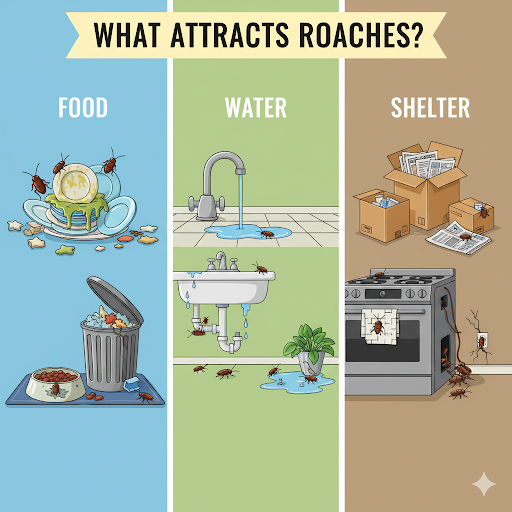
The Main Things That Attract Roaches
To prevent infestations, it helps to understand exactly what draws roaches inside. Here are the biggest factors:
1. Food Sources
Roaches are scavengers and will eat almost anything, but they are especially drawn to:
- Crumbs on the floor or countertops
- Grease residue on stoves and ovens
- Leftover food not sealed in containers
- Pet food left out overnight
- Open trash cans or bags
Even small food particles are enough to keep roaches around. That’s why they are commonly found in kitchens and dining areas.
2. Water and Moisture
Roaches need water to survive, so they are naturally attracted to moisture. Common sources include:
- Leaky pipes under sinks
- Dripping faucets
- Standing water in sinks or bathtubs
- Damp sponges or dishcloths
- Pet water bowls
Bathrooms, basements, and kitchens are particularly vulnerable because they provide easy access to moisture.
3. Shelter and Warmth
Roaches prefer warm, dark, and moist places where they can hide during the day. Some of their favourite hiding spots include:
- Behind appliances like refrigerators and stoves
- Inside cabinets and pantries
- Cracks and crevices in walls or floors
- Cardboard boxes or stacks of paper
- Cluttered basements and storage areas
Because they are nocturnal, roaches come out at night to search for food and water, then retreat to these hiding places during the day.
4. Easy Entry Points
Roaches can squeeze through tiny gaps, making it easy for them to enter homes. Common entryways include:
- Cracks in walls and foundations
- Gaps around doors and windows
- Open vents or drains
- Spaces around utility pipes
Once inside, they quickly establish hiding spots close to food and water sources.
5. Garbage and Waste
Unsealed garbage cans or trash left indoors for too long act like a buffet for roaches. They are particularly attracted to decaying organic matter, but will also feed on paper, cardboard, and fabric.
Common Types of Roaches Found Indoors
Not all roaches are the same, and knowing the species helps with control efforts. The most common types found in homes include:
- German cockroaches: Small, light brown, and the most common indoor roach. They reproduce rapidly and thrive in kitchens.
- American cockroaches: Larger, reddish-brown roaches often found in basements and drains.
- Oriental cockroaches: Dark brown or black, usually found in damp, cool areas like basements.
- Brown-banded cockroaches: Smaller roaches that prefer dry, warm places such as ceilings or behind picture frames.
Each species has slightly different habits, but all are attracted to food, moisture, and shelter.
How to Make Your Home Less Attractive to Roaches
Since roaches are drawn to food, water, and shelter, focusing on these areas is the best way to prevent infestations. Here are practical steps to take:
Keep the Kitchen Clean
- Wipe down counters and tables after meals.
- Clean spills and crumbs immediately.
- Wash dishes promptly instead of leaving them overnight.
- Store food in sealed containers.
- Take out trash regularly and use cans with tight lids.
Fix Moisture Issues
- Repair leaky pipes or faucets as soon as possible.
- Dry sinks and tubs after use.
- Use a dehumidifier in damp basements.
- Avoid leaving wet sponges, mops, or dishcloths out.
Reduce Hiding Spots
- Seal cracks and crevices in walls, floors, and baseboards.
- Declutter storage areas by getting rid of cardboard boxes and old newspapers.
- Keep items off the floor to limit hiding places.
- Move furniture away from walls to reduce hidden gaps.
Limit Entry Points
- Install weather stripping around doors and windows.
- Seal gaps around utility lines, pipes, and vents.
- Use mesh screens on vents and drains.
When DIY Methods Aren’t Enough
Preventive measures are highly effective, but if roaches are already inside, they can be tough to eliminate. Store-bought sprays or traps may kill some, but they rarely address the root of the problem. Roaches are experts at hiding, and their eggs can survive even when adults are killed.
If you notice roaches frequently, especially during the day, it often means there is a larger infestation behind the scenes. This is when professional pest control becomes necessary.
Professional Roach Control Options
Pest control experts have access to treatments and tools not available to the public. Common professional methods include:
- Gel baits: Placed in hidden areas, these baits attract roaches and spread poison throughout the colony.
- Insect growth regulators (IGRs): Chemicals that prevent roaches from reproducing.
- Dusts and powders: Applied to cracks and crevices, effective against roaches hiding in walls.
- Comprehensive inspection: Identifying entry points, nesting areas, and food sources to create a targeted treatment plan.
Many companies also provide follow-up visits to ensure the infestation is fully eliminated.
Cost of Roach Control
The cost of professional roach treatment depends on the size of the infestation and the property. On average:
- Initial treatment: $100–$300
- Severe infestations: $400–$600 or more
- Ongoing maintenance plans: $30–$60 per month
While hiring a professional might seem expensive, it is often more effective and cost-efficient in the long run compared to repeated DIY attempts.
Final Thoughts
Roaches are drawn to the same things humans need: food, water, and shelter. Unfortunately, that makes our homes the perfect place for them to thrive. By keeping your kitchen clean, fixing leaks, reducing clutter, and sealing entry points, you can make your home far less attractive to these pests.
If roaches do become a problem, don’t wait too long to take action. They multiply quickly, and a few roaches can turn into an infestation before you realise it. For persistent problems, calling a professional pest control company ensures thorough removal and long-term prevention.
By combining prevention with professional help when needed, you can keep your home roach-free and maintain a healthier, more comfortable living space.