
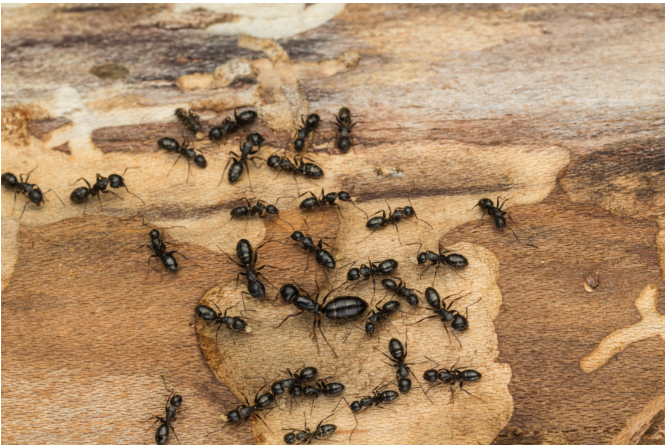
Carpenter ants are one of the most frustrating pests for homeowners in Columbus. They are sneaky, destructive, and often go unnoticed until the damage becomes serious. While they do not eat wood the way termites do, they carve tunnels inside wooden structures to create their nests. This can weaken floors, walls, decks, and beams over time. The good news is that with the right information and a proper approach, you can identify carpenter ants early and remove them before they cause expensive damage.
This guide will show you how to spot carpenter ants, what signs to look for, and the most effective ways to eliminate them. You will also learn important prevention tips to protect your home long term.
What Are Carpenter Ants and Why Do They Matter
Carpenter ants are large ants, usually black or dark brown, that prefer to nest in damp or softened wood. They do not eat the wood but remove it to build smooth tunnels for their colony. This can be a major problem for Columbus homes, especially older houses or properties with moisture issues.
These ants can build multiple colonies, known as satellite nests, which makes them harder to eliminate. If you notice just a few carpenter ants inside your home, there is a good chance that a larger colony is already living somewhere in your walls, attic, or foundation.
How to Identify Carpenter Ants
The first step in removing carpenter ants is knowing what they look like and where they hide. Here are the most common and reliable signs to look for.
1. Large Dark Ants
Carpenter ants are bigger than normal house ants. Workers can be about half an inch long, and swarmers with wings can be even larger.
If you see large ants crawling around your kitchen, bathroom, or basement, it is important to track where they are coming from.
2. Frass Near Wooden Surfaces
Frass looks like sawdust or wood shavings. Carpenter ants push this out of their tunnels, so homeowners often find small piles near baseboards, window frames, decks, or crawl spaces. Sometimes there are bits of dead insects mixed in.
3. Hollow-Sounding Wood
Tap wooden beams, floors, or walls. If they sound hollow, the ants may be tunneling inside. This is especially common in moisture-damaged wood.
4. Rustling or Clicking Sounds
At night, when the house is quiet, you might hear faint tapping or rustling coming from inside the walls. This is a common sign that carpenter ants are expanding their tunnels.
5. Discarded Wings
During swarm season, carpenter ants shed their wings after mating. You may find wings near windows, lights, or doors.
6. Moisture Problems
Carpenter ants love damp wood, so anywhere with leaks or humidity is a potential nesting site. This includes bathrooms, kitchens, basements, decks, and crawl spaces.
If you notice several of these signs, there is a good chance you are dealing with carpenter ants.
How to Remove Carpenter Ants
Once you confirm the activity, the next step is removing the colony. Here are the most effective and safe methods used in Columbus homes.
1. Use Ant Baits
Slow-acting ant baits are one of the best ways to eliminate the entire colony. The workers take the bait back to the nest, where it reaches the queen. Without the queen, the colony cannot survive.
Place baits near ant trails, behind appliances, or along baseboards. Do not spray insecticide near the baits because it can stop the ants from picking them up.
2. Apply Insecticidal Dust
Insecticidal dust works well for wall voids, cracks, and hard-to-reach spaces. You can drill small holes near the suspected nest and puff dust inside. It spreads through the tunnels and kills ants over time.
Dust is ideal for satellite nests hidden behind walls or ceilings.
3. Use Foam or Liquid Insecticide
If you can locate the nest, you can spray liquid or foam insecticide directly into it. Foam spreads through the tunnels and coats every surface. This method works quickly, especially for smaller colonies.
4. Create an Outdoor Barrier
A residual insecticide barrier around the outside of your home helps keep carpenter ants from entering again. Spray around the foundation, door frames, windows, and anywhere pipes enter the house.
This is an important step because carpenter ants often travel between outdoor and indoor nests.
5. Seal Entry Points
Carpenter ants can enter through tiny openings. Use caulk to seal cracks around windows, doors, and siding. Also, patch gaps where wires or plumbing enter the home.
6. Clean Up Ant Trails
After treatment, clean ant trails with soapy water or vinegar. This removes their scent trails and prevents other ants from following the same path.
How to Prevent Carpenter Ants in Columbus
Once you remove carpenter ants, it is important to take steps to keep them from coming back. Prevention is often easier than removal.
1. Fix Moisture Problems
Moisture is the number one reason carpenter ants choose a home to repair leaks under sinks, near showers, or around the roof. Improve ventilation in basements or crawl spaces. Use a dehumidifier if needed.
2. Trim Trees and Shrubs
Branches touching your home act like a bridge for ants. Trim back trees and plants so they do not touch your roof or siding.
3. Store Firewood Away from the House
Carpenter ants often nest in damp firewood. Keep firewood stacks several feet away from your home and elevate them off the ground.
4. Paint or Seal Wood
Unfinished wood attracts carpenter ants. Paint or seal decks, fences, and porch structures to make them less appealing.
5. Keep Food Sealed
Carpenter ants also search for food. Keep your kitchen clean, store food in sealed containers, and take out the trash regularly.
When to Call a Professional
DIY methods can work, but not always. Carpenter ants build complex colonies and often hide in areas that are difficult to reach. If you notice growing activity, frass piles, or repeated infestations, it is time to call a professional.
Pest Control Columbus has the tools, products, and experience needed to locate hidden nests, eliminate colonies, and protect your home long term.
FAQs About Carpenter Ants
1. How do I know if I have carpenter ants or termites?
Termites have straight antennae and equally sized wings, while carpenter ants have bent antennae and larger front wings. Carpenter ant tunnels look smooth, while termite tunnels contain mud. Identifying correctly helps you choose the right treatment.
2. Do carpenter ants cause serious damage?
Yes, they can damage beams, joists, frames, and decks. If they create several satellite nests, the damage can become severe. Over time, this leads to costly repairs and unsafe structural conditions.
3. What attracts carpenter ants inside homes?
Moisture is the top reason. Leaks, damp wood, and humidity make perfect nesting spots. They also enter homes in search of food, especially sweets, oils, and meats.
4. Can I get rid of carpenter ants without chemicals?
Natural methods help reduce activity but rarely eliminate a colony. Vinegar, soapy water, and diatomaceous earth can help, but large colonies usually need bait, dust, or professional treatment.
5. How long does it take to remove carpenter ants completely?
It depends on the colony size and method used. Baits can take several days to reach the queen, while direct treatments work faster. Full elimination may take one to three weeks for larger infestations.