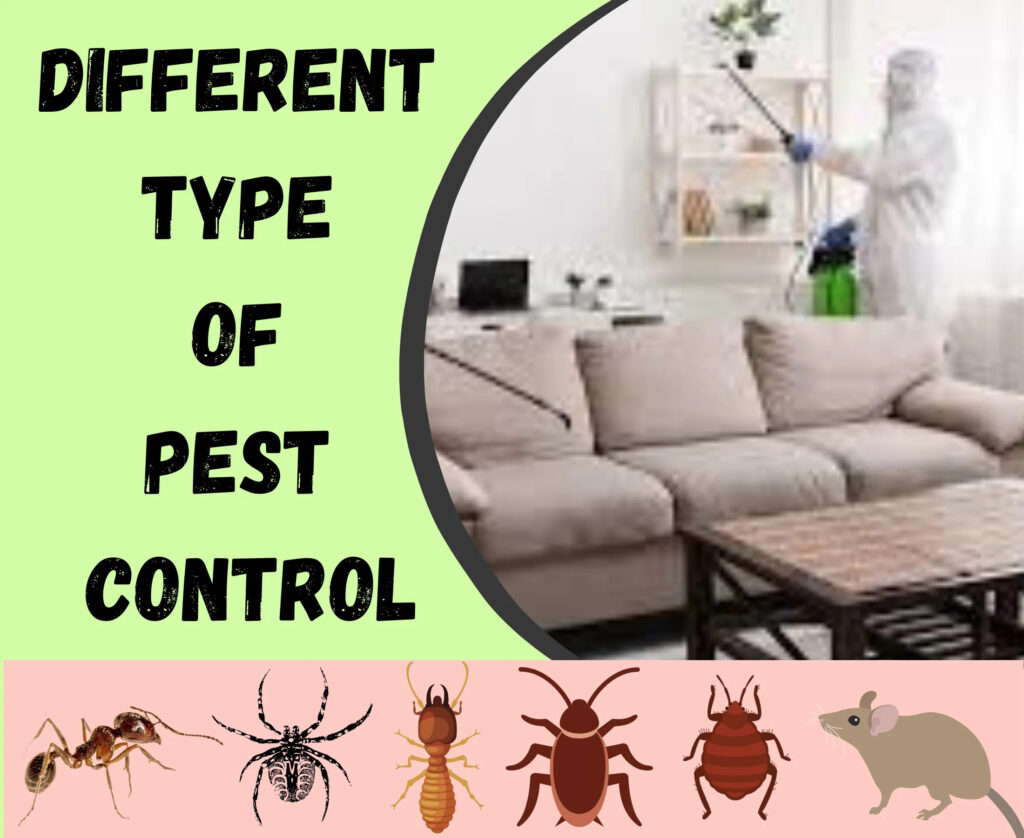
Pests can be more than just a nuisance. They can damage property, contaminate food, and pose serious health risks for families and pets. For homeowners in Columbus, understanding the types of pest control available is essential to keep your home safe, healthy, and comfortable. Choosing the right approach can help prevent infestations before they start and effectively manage existing pest problems.
At Pest Control Columbus, we often see confusion among homeowners about the different methods available for pest management. Not all pest control strategies are the same. Some focus on eliminating pests immediately, while others are designed to prevent future infestations using sustainable and environmentally friendly approaches. Knowing the three main types of pest control—chemical, biological, and physical or mechanical—can help you decide which method is best for your property.
1. Chemical Pest Control
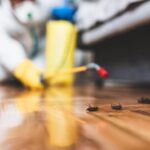
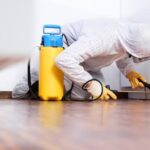
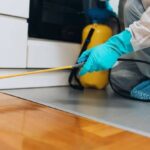
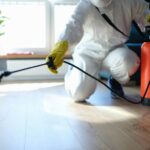
Chemical pest control is one of the most common methods for managing pest problems. It involves the use of chemical substances to kill or repel pests. These treatments are often fast-acting and can target a wide range of pests, from insects and rodents to more stubborn infestations like termites.
Examples of chemical control include:
- Insecticides: Used to control insects like ants, cockroaches, and mosquitoes.
- Rodenticides: Designed to eliminate rodents such as mice and rats.
- Fumigation: A method used for severe infestations, often in closed structures, to eliminate pests quickly.
The main advantage of chemical pest control is its immediate effectiveness. If you notice a sudden ant invasion in your kitchen or a rodent problem in your attic, chemical treatments can quickly resolve the issue. However, it is important to use these methods carefully, as improper use of chemicals can harm humans, pets, and the environment. This is why professional pest control services are recommended, as trained experts know the correct application, dosage, and safety measures for these substances.
2. Biological Pest Control
Biological pest control offers a natural and environmentally friendly alternative to chemicals. Instead of relying on pesticides, this method introduces natural predators, parasites, or microbes to manage pest populations. Over time, biological control can reduce the number of pests without the potential negative effects associated with chemical treatments.
Common examples of biological pest control include:
- Beneficial insects: Ladybugs, lacewings, and predatory beetles can help control aphids, mites, and other plant pests.
- Parasitic wasps: These insects lay eggs inside pest species, naturally reducing their populations.
- Microbial pesticides: Certain bacteria or fungi target pests without affecting other animals or plants.
Biological control is particularly useful in gardens, greenhouses, and agricultural settings, but it can also be applied in homes where insects are the main concern. The key advantage is that it provides a sustainable, long-term solution while reducing reliance on chemical products. For homeowners who prefer eco-friendly approaches or have children and pets, biological pest control can be an effective and safer option.
3. Physical or Mechanical Pest Control
Physical or mechanical pest control uses barriers, traps, or direct removal methods to prevent or eliminate pests. This approach does not rely on chemicals and is highly effective for certain types of infestations. It is often used alongside other pest control methods to provide comprehensive protection.
Examples of physical control include:
- Traps: Rodent traps, insect traps, and sticky boards help catch and remove pests.
- Barriers: Screens, netting, and sealing gaps in walls or windows prevent pests from entering homes.
- Manual removal: Physically removing pests from an area, such as picking insects off plants or relocating wildlife.
Physical control is particularly beneficial for preventing pest problems before they start. For instance, sealing cracks and gaps in a home’s foundation can prevent rodents and insects from entering. Installing screens on windows keeps mosquitoes and flies out. While it may require more effort, mechanical methods are safe, chemical-free, and often used in combination with other control strategies for maximum effectiveness.
Integrated Pest Management (IPM)
Many pest control professionals now use a comprehensive strategy known as Integrated Pest Management (IPM). IPM combines chemical, biological, and physical methods to achieve long-term and sustainable pest management. It also incorporates cultural practices, which involve modifying the environment to make it less attractive to pests.
Examples of cultural control include:
- Keeping food stored in sealed containers.
- Maintaining clean, dry, and clutter-free areas.
- Removing standing water to prevent mosquito breeding.
- Trimming vegetation around the home to reduce shelter for pests.
By combining multiple approaches, IPM reduces the need for chemical treatments and ensures that pests are managed in the most effective and environmentally responsible way possible.
Choosing the Right Type of Pest Control
Selecting the appropriate pest control method depends on the type of pest, the severity of the infestation, and the homeowner’s preferences. For immediate infestations, chemical control may provide the fastest results. For long-term sustainability, biological and physical methods are more effective, especially when integrated with preventive practices.
For homeowners in Columbus, working with a professional service like Pest Control Columbus ensures that the chosen method is safe, effective, and customized to your property. A professional team can conduct inspections, identify the source of infestations, and recommend a combination of control methods tailored to your home’s needs.
Benefits of Using Professional Pest Control
There are several advantages to using professional pest control services:
- Expert assessment: Professionals can accurately identify pests and the extent of infestations.
- Safe and effective treatments: Proper application ensures minimal risk to humans, pets, and the environment.
- Long-term prevention: Regular monitoring and preventive measures reduce the likelihood of recurring infestations.
- Cost-effective: Preventing infestations can save money compared to repeated emergency treatments.
- Peace of mind: Homeowners can enjoy a safe and comfortable living environment without worrying about pests.
Conclusion
Understanding the three main types of pest control—chemical, biological, and physical—helps homeowners make informed decisions about protecting their property. Each method has its own strengths, and often the best results come from combining approaches through Integrated Pest Management.
For residents of Columbus, investing in professional pest control ensures that your home remains safe, healthy, and free from pests. Whether you need immediate removal, long-term prevention, or a sustainable and eco-friendly solution, Pest Control Columbus can provide expert guidance and services tailored to your needs.
By choosing the right pest control method, you can protect your family, your property, and your peace of mind for years to come.
FAQs – Types of Pest Control
- What are the three main types of pest control?
The three main types of pest control are chemical control, biological control, and physical or mechanical control. Many professionals also use Integrated Pest Management (IPM), which combines all three. - What is chemical pest control?
Chemical pest control uses pesticides, insecticides, rodenticides, or fumigation to quickly eliminate pests like ants, cockroaches, termites, and rodents. - What are the advantages of chemical pest control?
It provides fast and effective results against a wide range of pests, making it useful for severe infestations. However, it must be applied carefully to avoid health and environmental risks. - What is biological pest control?
Biological pest control uses natural predators, parasites, or microbes to reduce pest populations. Examples include ladybugs for aphids and microbial pesticides that target harmful insects. - Is biological pest control safe for families and pets?
Yes. Since it avoids harsh chemicals, biological pest control is generally safer for children, pets, and the environment. - What is physical or mechanical pest control?
This method relies on traps, barriers, and manual removal of pests. Examples include rodent traps, sealing cracks in walls, and installing window screens.