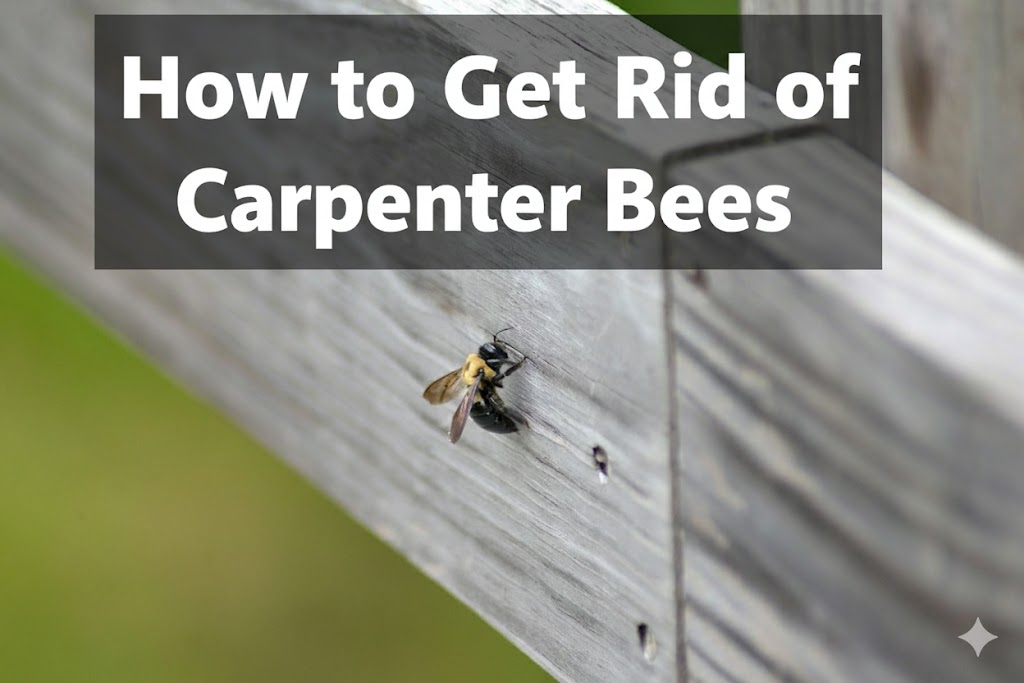
Carpenter bees may look harmless at first, but they can cause serious and costly damage to wooden structures around homes in Columbus. These bees drill smooth, round holes in decks, porches, fences, and the trim of your house. Over time, these tunnels become larger as the bees return year after year, eventually weakening the wood.
If you are hearing buzzing around your porch or noticing small holes in the wood, you might be dealing with carpenter bees. The good news is that there are effective ways to remove them and prevent them from coming back. This guide will walk you through everything you need to know about identifying carpenter bees, treating active infestations, and keeping your home protected long term. If the problem becomes severe, you can always reach out to a professional service like Pest Control Columbus for safe and reliable help.
What Are Carpenter Bees and Why Are They a Problem?
Carpenter bees are large, often shiny black bees that look similar to bumblebees. However, unlike bumblebees, they drill into wood to create nests. They do not eat the wood, but they hollow out tunnels to lay their eggs.
In Columbus, carpenter bees are active mostly from early spring through summer. They prefer untreated or weathered wood, which makes decks and outdoor trim common targets.
While one or two holes might not seem like a big deal, carpenter bees often create several tunnels or return to the same spot each year. This repeated drilling can weaken wood, allow moisture to get inside, and attract woodpeckers that dig deeper into the wood while trying to reach bee larvae.
Signs You Have Carpenter Bees
Carpenter bees leave several clear signs that they are nesting in your wood:
1. Perfectly round holes
These holes are usually about the size of a dime. They go straight into the woods before turning and creating long tunnels.
2. Sawdust below the hole
You may find little piles of sawdust under the openings. This is a sign that bees are actively expanding their tunnels.
3. Buzzing and hovering bees
Male carpenter bees hover near entry holes. They look intimidating, but do not sting.
4. Yellow or brown staining
You may see staining under the holes from bee activity and waste.
5. Woodpecker damage
Woodpeckers love carpenter bee larvae, and their pecking creates even more damage.
If you notice these signs, you should act quickly before the infestation spreads.
How to Get Rid of Carpenter Bees: The Most Effective Methods
Getting rid of carpenter bees involves removing active bees, killing larvae inside the wood, and blocking access so they do not return. Here are the best methods used by both homeowners and professionals.
1. Use Insecticide Sprays
Insecticide sprays are one of the quickest ways to treat active bee holes. Look for sprays labeled for bees and wasps or ones that contain permethrin.
How to use sprays
- Wait until night, when bees are inside the tunnels
- Insert the spray nozzle directly into the hole
- Apply the product following the instructions
- Leave the hole open for at least 24 hours
Foaming sprays are especially helpful because they expand inside the tunnels and reach deeper areas.
2. Apply Insecticidal Dust
Insecticidal dust is one of the most effective long-term treatments. Dust remains inside the tunnel and continues to kill bees and larvae for weeks.
Common dust ingredients include:
- Boric acid
- Carbaryl
- Diatomaceous earth
How to use dust
- Use a puffer duster
- Apply the dust into each opening
- Wait several days for the dust to reach the entire tunnel
This method works well because larvae are killed when they hatch, preventing future generations.
3. Natural Carpenter Bee Repellents
If you prefer natural options or have a small infestation, these methods can help:
Citrus oil spray
Carpenter bees dislike the smell of citrus. Boil citrus peels in water, let them cool, and spray them into and around the holes.
Almond oil
Almond oil has a strong scent that repels bees. Spray or apply it directly around the entrance holes.
Peppermint oil
Mix peppermint oil with water and spray it on wooden surfaces to discourage bees.
Fake hornet nests
Carpenter bees often avoid areas with hornets. Hanging a fake hornet nest near the problem area can reduce activity.
Natural methods may not eliminate bees completely, but they help keep them away.
4. Vacuuming Active Bees
A wet vacuum can be used to remove bees directly from their holes. This method works best early in the morning or late at night when bees are less active. Make sure to use caution and wear protective clothing.
5. Carpenter Bee Traps
Carpenter bee traps are simple wooden boxes with angled holes that attract bees. Once inside, bees fall into a jar that they cannot escape from. These traps work well when placed near common nesting areas.
6. Seal the Holes After Treatment
This is one of the most important steps. Never seal a hole while bees are still inside. After treatment is complete, fill the holes with:
- Wood putty
- Caulk
- Wooden dowels
Sealing prevents bees from returning and keeps future generations from emerging. You should also sand and repaint the area for extra protection.
7. Protect Wood from Future Attacks
Carpenter bees prefer untreated or weathered wood. These preventative steps help stop them from coming back:
Paint or stain wood
Painted or stained wood is much less attractive to carpenter bees.
Cover the wood with other materials.
You can wrap trim with aluminum coil or install vinyl siding to create a protective barrier.
Repair softened or damaged wood
Moist, rotting wood attracts bees and should be replaced.
Regular inspections
Check your deck, fence, and home exterior every spring for early signs.
When to Call a Professional Carpenter Bee Exterminator in Columbus
Some infestations are too large or too deep inside the wood for DIY treatments. You should call a professional if:
- Bees return every year
- Woodpecker damage is increasing
- The tunnels are deep or widespread
- Natural or DIY methods have failed
- There are multiple nesting sites
Professional pest control companies use advanced dusting methods, long-lasting residual sprays, and sealing techniques that fully eliminate carpenter bees.
FAQs About Carpenter Bees
1. Can carpenter bees cause real damage to a house?
Yes, carpenter bees can create long tunnels inside wood, especially if they return to the same spot every year. Over time, this weakens the wood and can attract woodpeckers that cause even more damage. Early treatment can prevent costly repairs.
2. Do carpenter bees sting or attack people?
Male carpenter bees cannot sting at all, although they may hover near you. Female bees can sting, but rarely do unless they are handled or feel threatened. Most carpenter bee risks come from wood damage, not stings.
3. Why do carpenter bees pick certain areas of the house?
They prefer soft, untreated, or weathered wood. Decks, siding, fences, and porches are common targets. Moist wood or areas exposed to sunlight also attract them more. Painting or sealing wood helps reduce this problem.
4. Can I remove carpenter bees without using chemicals?
Natural methods like citrus spray, almond oil, and peppermint oil can help repel bees, but they may not eliminate a large infestation. Traps and fake hornet nests also help, but may be less effective than dust or spray treatments.
5. How long does it take to get rid of carpenter bees completely?
The timeframe depends on the size of the infestation. With insecticide dust or foam, results may appear in a few days. Natural methods can take longer. Full prevention, sealing holes, and protecting the wood may take one to two weeks.