
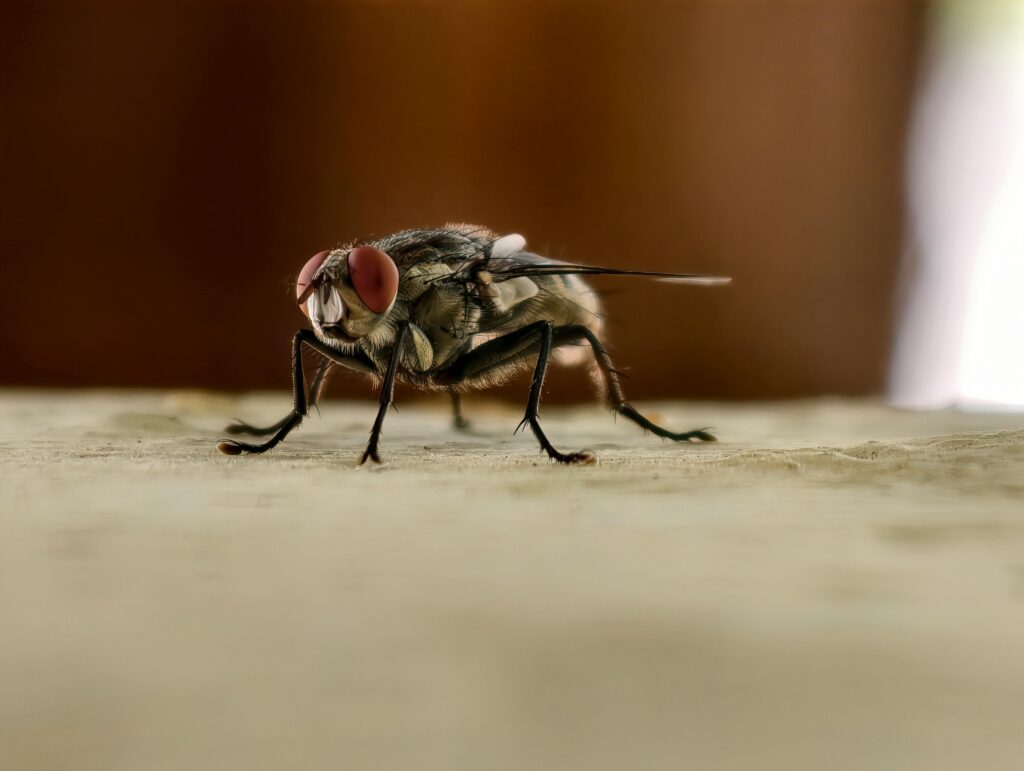
Many homeowners assume that seeing one or two pests occasionally is not a serious concern. However, what appears to be a small issue can quickly develop into a major infestation if left untreated.
Pests reproduce rapidly, remain hidden in hard-to-reach areas, and expand their colonies over time. Understanding how fast infestations develop helps homeowners recognise why early detection and treatment are critical.
Professional inspections from services such as Pest Control Columbus can identify early-stage infestations before they spread throughout the property.
Pests Reproduce Faster Than Most Homeowners Expect
One of the biggest reasons infestations grow rapidly is reproduction speed. Many pests produce large numbers of offspring within a short period.
For example:
- rodents reproduce multiple times per year
- ants expand colonies continuously
- cockroaches multiply quickly in warm environments
Because pests often remain hidden, populations may grow significantly before visible signs appear.
Hidden Nesting Delays Detection
Most pests avoid open spaces and establish nests inside walls, ceilings, crawl spaces, or basements. This hidden behaviour allows infestations to develop quietly over time.
By the time homeowners notice droppings, sounds, or visible insects, colonies may already be well established.
Early warning signs should never be ignored because even minor activity can indicate a much larger hidden population.
Environmental Conditions Speed Up Infestations
Warm temperatures, moisture, and accessible food sources accelerate pest growth. Homes with leaks, poor ventilation, or food exposure create ideal breeding conditions.
Once pests locate a stable environment, they tend to remain and reproduce continuously.
Kitchens, basements, and storage areas are especially vulnerable to rapid infestation growth.
Structural Pests Can Cause Damage Early
Some pests begin causing structural damage long before infestations become visible. Carpenter ants, for example, tunnel through wood while remaining hidden inside structures.
If untreated, damage can spread extensively throughout the home. More details can be found here:
👉 https://pestcontrolcolumbus.net/how-to-identify-and-remove-carpenter-ants/
Carpenter bees can also weaken exterior wooden structures over time:
👉 https://pestcontrolcolumbus.net/how-to-get-rid-of-carpenter-bees/
Small Problems Become Expensive Quickly
As pest populations grow, infestations become more difficult and expensive to control. Larger infestations often require extensive treatments, repairs, and ongoing management.
The longer treatment is delayed, the higher the overall cost becomes.
More information about costly infestations is available here:
👉 https://pestcontrolcolumbus.net/what-pests-are-most-expensive-to-remove/
Common Signs an Infestation Is Growing
Several warning signs indicate that a pest problem is becoming more serious:
- increased pest sightings
- unusual noises in walls or ceilings
- droppings or damage appearing regularly
- musty or unusual odours
- recurring pest activity despite cleaning efforts
Ignoring these signs often allows infestations to spread further.
Prevention and Early Intervention Matter
The best way to avoid major infestations is through early action. Sealing entry points, reducing moisture, storing food properly, and scheduling inspections all help reduce pest risks.
Addressing small pest activity immediately prevents colonies from expanding and causing long-term damage.
Conclusion
A small pest problem can become a full infestation much faster than many homeowners realise. Rapid reproduction, hidden nesting behaviour, and favourable indoor conditions allow pests to spread quickly throughout a property.
Early detection and preventive action are essential for avoiding severe infestations, costly repairs, and long-term pest problems.