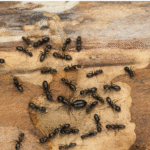

Few things strike fear into the hearts of homeowners like termites. These silent destroyers work behind the scenes, eating wood, flooring, and even wallpaper. By the time you notice the problem, damage is often extensive and costly to repair. Learning how to protect your home from termite damage is essential for maintaining the safety, structure, and value of your property.
If you live in Ohio, you may have heard neighbours struggling with termites. That is why many families trust local experts such as Pest Control Columbus. Preventing termites is far easier and less expensive than repairing the damage after an infestation. With the right steps, you can safeguard your home and reduce the risk of serious termite problems.
Why Termites Are a Serious Threat
Termites are small but highly destructive. A single colony can contain thousands or even millions of termites, capable of consuming structural beams, furniture, and flooring without immediate signs of damage.
Unlike ants or roaches, termites avoid light and remain hidden inside the wood they feed on. Homeowners may go months or years without realizing an infestation exists. Early detection and prevention are critical to avoid costly repairs.
Common Signs of Termite Activity
Recognizing termite activity early can save thousands in repairs. Watch for these warning signs:
- Mud tubes: Small tunnels made from soil and saliva along walls, foundations, or crawl spaces.
- Hollow-sounding wood: Tapping on wood infested with termites often produces a hollow sound.
- Discarded wings: Termites swarm in spring, leaving behind tiny wings near windows and doors.
- Frass (droppings): Tiny, pellet-like droppings that resemble sawdust.
- Bubbling or peeling paint: Often mistaken for water damage, this may indicate termites feeding behind walls.
Spotting these signs early allows for quicker intervention and less damage.
Step 1: Eliminate Moisture Around the Home
Termites thrive in damp environments. Reducing moisture helps make your home less attractive to these pests:
- Fix leaky pipes and faucets promptly.
- Keep gutters clean to prevent water pooling near foundations.
- Ensure downspouts direct water away from your home.
- Use dehumidifiers in crawl spaces or basements if needed.
Keeping your home dry is one of the most effective preventive measures.
Step 2: Reduce Wood-to-Soil Contact
Termites often enter homes from the soil. Minimizing contact between soil and wood reduces risk:
- Maintain at least six inches of clearance between soil and wooden siding.
- Store firewood, mulch, and wooden furniture away from the foundation.
- Use concrete bases for decks, fences, or posts instead of direct soil contact.
- Trim shrubs and remove mulch near walls to limit potential entry points.
Step 3: Seal Cracks and Entry Points
Termites can squeeze through tiny gaps. Inspect your home for cracks or openings and seal them:
- Fill foundation cracks with caulk or sealant.
- Repair damaged screens and vents.
- Ensure weather stripping around doors and windows is intact.
This not only keeps termites out but also prevents other pests from entering.
Step 4: Schedule Regular Termite Inspections
Professional inspections are one of the most effective ways to prevent termite damage. Technicians know where to look and can spot early activity that may go unnoticed.
- Schedule at least one inspection per year; in high-risk areas, consider twice a year.
- Even without visible signs, inspections provide peace of mind and catch potential problems early.
Step 5: Use Preventive Treatments
Preventive treatments create a barrier that keeps termites away:
- Soil treatments: Liquid termiticides applied around the foundation form a protective barrier.
- Bait systems: Stations placed around the home attract termites and eliminate colonies.
- Wood treatments: Chemicals or sealants applied to exposed wood make it less appealing to termites.
These treatments are especially valuable in termite-prone regions.
Step 6: Be Careful with Wood and Furniture
Secondhand furniture, firewood, and wooden décor can bring termites inside:
- Inspect all secondhand or antique furniture before bringing it indoors.
- Store firewood at least 20 feet from the house and keep it elevated.
- Watch for small holes, sawdust, or signs of termite activity on wooden items.
Step 7: Respond Quickly if Termites Are Found
If you detect termites, act fast:
- Contact a professional pest control company immediately.
- Treatment options include liquid termiticides, bait systems, or fumigation in severe cases.
- DIY sprays rarely eliminate entire colonies and are not a substitute for professional care.
Why Prevention Is Worth the Effort
Repairing termite damage can cost thousands, and most homeowner insurance policies don’t cover it. Preventive measures are far less expensive and provide long-term protection. Combining home maintenance with professional inspections and treatments helps you protect your investment and reduce stress.
Final Thoughts
Termites can compromise your home’s safety and value. By eliminating moisture, sealing cracks, reducing wood-to-soil contact, and scheduling regular inspections, you can protect your home from termite damage. Professional preventive treatments offer an added layer of security, ensuring termites never gain a foothold.
With vigilance and consistency, your home will remain safe from hidden damage, and prevention will always be far easier than costly repairs.