Weather and climate play a major role in pest behaviour throughout the year. In Columbus, seasonal changes create shifting environmental conditions that influence when pests become active, where they nest, and how they enter homes.
Understanding these seasonal patterns helps homeowners anticipate pest activity and take preventive action before infestations develop.
Professional pest monitoring services such as Pest Control Columbus often consider seasonal climate trends when identifying high-risk periods for infestations.
Spring: Reproduction and Nest Expansion
Spring marks the beginning of increased pest activity as temperatures rise and moisture levels increase. Many insects and rodents emerge from winter hiding spots and begin reproduction cycles.
During this time, pests are actively searching for:
- Food sources
- Nesting locations
- Moist environments
Ants, termites, and spiders become more visible as colonies expand rapidly. Homes with small structural vulnerabilities are especially at risk during this season.
Carpenter ants are particularly active in spring as they expand nesting sites within wood structures. More details on identification and removal can be found here:
👉 https://pestcontrolcolumbus.net/how-to-identify-and-remove-carpenter-ants/
Summer: Peak Pest Activity Season
Summer in Columbus creates ideal conditions for pest growth due to warm temperatures and high humidity. This is typically the peak infestation period for many species.
Common summer pests include:
- Mosquitoes
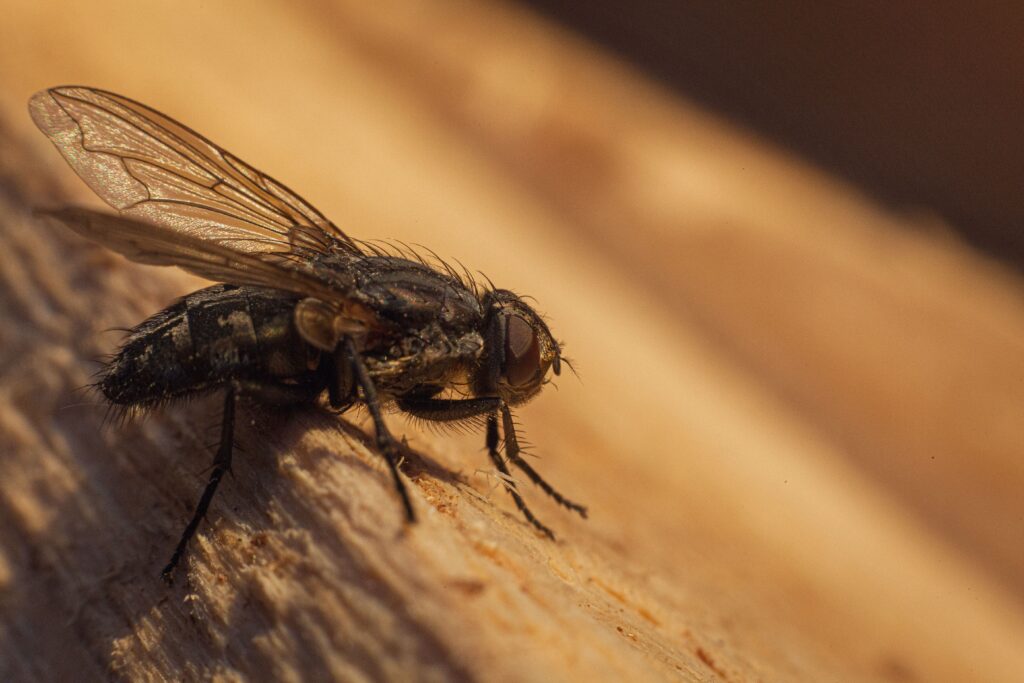
- Flies
- Ants
- Wasps
Outdoor activities also increase exposure to food and waste, which attracts pests closer to homes.
During summer, pests reproduce at a faster rate, making infestations grow more quickly if not controlled early.
Autumn: Indoor Migration Begins
As temperatures begin to drop in autumn, pests start searching for warmth and shelter. This is one of the most important transition periods for pest prevention.
Rodents, spiders, and insects often move indoors through:
- Cracks in walls
- Roof gaps
- Basement openings
Homes become attractive nesting sites due to stable indoor temperatures and available shelter.
Carpenter bees may also complete their nesting cycles during this time, leaving behind structural damage. Learn more here:
👉 https://pestcontrolcolumbus.net/how-to-get-rid-of-carpenter-bees/
Winter: Indoor Survival Mode
Winter significantly reduces outdoor pest activity, but indoor infestations often become more noticeable.
Rodents and insects that entered during autumn continue to survive inside homes by relying on:
- Stored food
- Warm environments
- Hidden nesting areas
Because pests remain hidden inside structures, winter is often when homeowners first notice signs of long-term infestations.
Weather Fluctuations Increase Infestation Risk
Sudden changes in temperature and rainfall can significantly influence pest movement. Heavy rain may flood outdoor nests, forcing pests indoors, while warm spells during winter can trigger unexpected activity.
These fluctuations create unpredictable infestation cycles, making year-round prevention essential.
Moisture and Humidity Play a Key Role
Humidity levels in Columbus also contribute to pest behaviour. Damp environments encourage the growth of:
- Cockroaches
- Termites
- Silverfish
Homes with moisture issues such as leaks or poor ventilation are at higher risk of infestation throughout the year.
Cost of Seasonal Infestations
Seasonal pest activity can lead to repeated infestations if not properly managed. Over time, this may result in structural damage and higher treatment costs.
Some pest issues become significantly more expensive when they persist across multiple seasons. More details can be found here:
👉 https://pestcontrolcolumbus.net/what-pests-are-most-expensive-to-remove/
Prevention Strategies for Columbus Homeowners
To reduce seasonal pest risks, homeowners should:
- Seal entry points before autumn
- Control indoor moisture levels
- Maintain clean kitchen and storage areas
- Trim vegetation around the home
- Schedule seasonal inspections
These steps help reduce pest pressure throughout the year.
Conclusion
Weather and climate conditions in Columbus directly influence pest activity throughout the year. Each season creates different challenges, from spring reproduction cycles to winter indoor survival.
Understanding these seasonal patterns allows homeowners to take proactive steps and reduce the risk of infestations before they become serious problems.